Private Cloud Solutions
USC-owned private infrastructure, direct support, and technology built around your business—not around a public-cloud SKU.
U.S. Computer Corporation provides private cloud and hosting solutions through USC-owned and USC-managed infrastructure. Because we operate the environment ourselves, we have greater control over how systems are designed, secured, supported, and priced.
Instead of forcing every workload into a one-size-fits-all public-cloud model, we can build around the application, the users, the business requirements, and the level of support you actually need.
Cloud Infrastructure With More Control. More Accountability.
Infrastructure You Can See.
People You Can Reach.
Private cloud should give you more than capacity. It should give you clarity about where systems live, who supports them, and how the environment is managed.
Private Cloud Capabilities
Use one service independently or combine several into a broader USC-managed environment.
Application Hosting
Managed hosting for business applications, USC-developed software, and connected environments.
ExploreEmail & Security
Business email, protection, continuity, and security services supported as part of the wider environment.
ExploreInfrastructure Hosting
Hosted servers and infrastructure resources without the burden of maintaining the physical platform yourself.
ExploreBackup Solutions
Managed backup strategies designed around recovery, continuity, and protection of critical systems and data.
ExplorePhone Systems
Hosted business communications connecting users, offices, and remote teams through a managed platform.
ExploreVirtual Workspace
Secure access to applications and desktops from wherever the business needs people to work.
ExplorePrivate Infrastructure.
Direct Accountability.
When infrastructure, applications, backup, communications, and support come from the same organization, there are fewer handoffs and clearer responsibility for the environment.
Your Environment Should Not Disappear Into Someone Else’s Cloud.
Public cloud platforms can be the right answer for some workloads, but they are not the only answer. Many organizations want clearer accountability, more predictable support, greater control over where systems live, or a hosting model that does not require them to become cloud architects themselves.
USC’s private cloud approach gives organizations another option: infrastructure managed by a technology partner that can also understand the applications, users, support requirements, and business processes running on top of it.
The right answer may be private cloud, public cloud, on-premises infrastructure, or a combination. Our role is to help determine what is appropriate for the workload and the business—not to force every customer into the same architecture.
What a Private Cloud Relationship Should Provide
The value is not simply where a server is located. The value is the control, support, continuity, and accountability surrounding the entire environment.
Privacy
Clear separation, controlled access, and confidence in where business information resides.
Security
Protection considered across infrastructure, access, backups, communications, applications, and operations.
Availability
Critical systems designed with continuity, recoverability, and dependable access in mind.
Accountability
Direct access to the people responsible for supporting the systems your business depends on.
Private cloud can be a strong fit when an organization wants hosted infrastructure without giving up direct support and operational visibility. It can also make sense when applications have specialized requirements, when predictable support matters more than hyperscale complexity, or when a company wants one provider to manage both the infrastructure and the systems running on it.
The architecture should fit the workload—not the other way around.
When Does Private Cloud Make Sense?
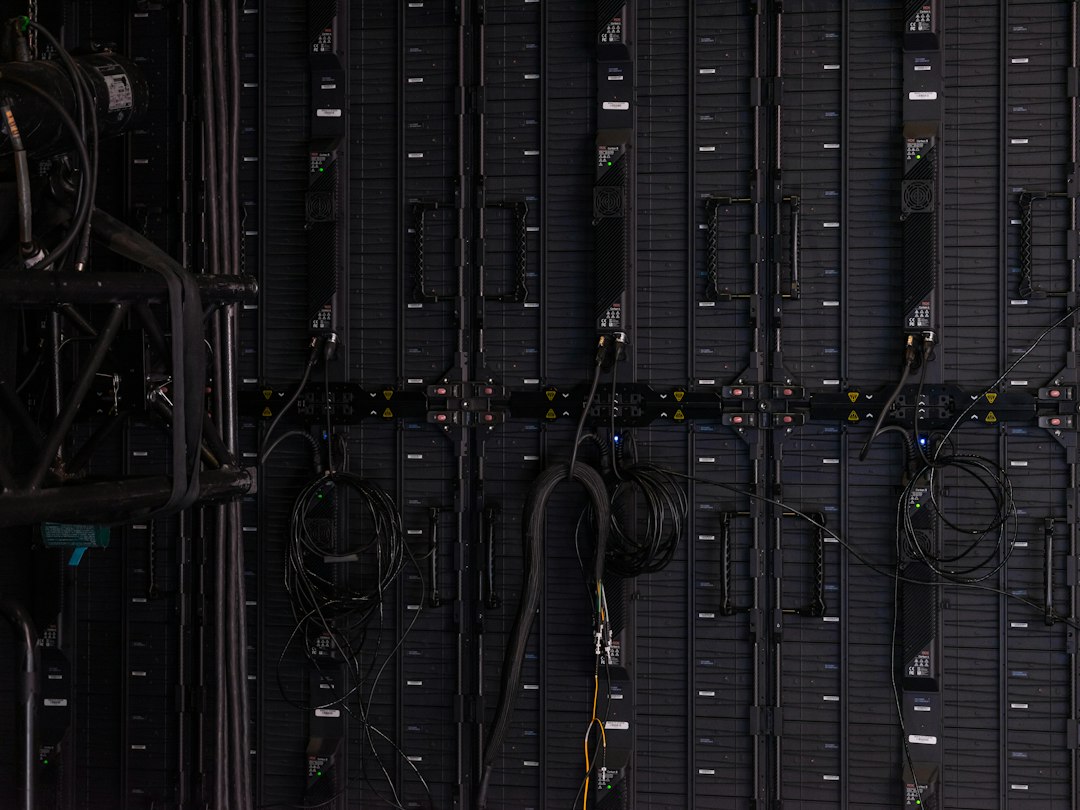
What Is Private Cloud Hosting?
Private cloud hosting gives an organization dedicated or logically separated computing resources that are managed for its own workloads rather than shared through a general public-cloud service model.
With U.S. Computer Corporation, private cloud hosting can include servers, applications, backup, communications, security, and user access within an environment we operate and support directly. The goal is not simply to move systems off-site. It is to create an environment with clearer ownership, support, security, and accountability.
Common Private Cloud Questions
Clear answers to the questions organizations often ask when evaluating private cloud hosting.
How is private cloud different from public cloud?
Public cloud typically delivers standardized resources from a large shared platform. Private cloud gives an organization a more controlled environment that can be designed around its applications, security requirements, support expectations, and operating model.
Does private cloud mean the servers have to be on our property?
No. Private cloud can be hosted in a provider-operated data center while still giving the customer a dedicated or separated environment, direct support, and defined responsibility for the systems being managed.
What can a business host in a private cloud?
Common workloads include business applications, Windows servers, databases, file services, virtual desktops, backups, email-related services, communications platforms, and other systems that need dependable access and support.
When is private cloud a good fit?
Private cloud can be a good fit when an organization values direct support, predictable infrastructure management, greater control over where systems run, specialized application requirements, or a single technology partner responsible for the broader environment.
Can private cloud work alongside public cloud or on-premises systems?
Yes. Many organizations use a hybrid approach. Private cloud, public cloud, and on-premises infrastructure can be combined based on the needs of each workload rather than forcing every system into one model.
Let’s Talk About What Your Infrastructure Actually Needs.
We can start with your applications, users, availability requirements, security concerns, and current environment—then determine whether a USC private cloud solution is the right fit.
Start a ConversationNational Presence. Personal Touch.
USC supports business technology across multiple U.S. regions while maintaining direct accountability for the environments we manage.